‘Time to go for a walk’, my friend said.
And that’s exactly what we did.
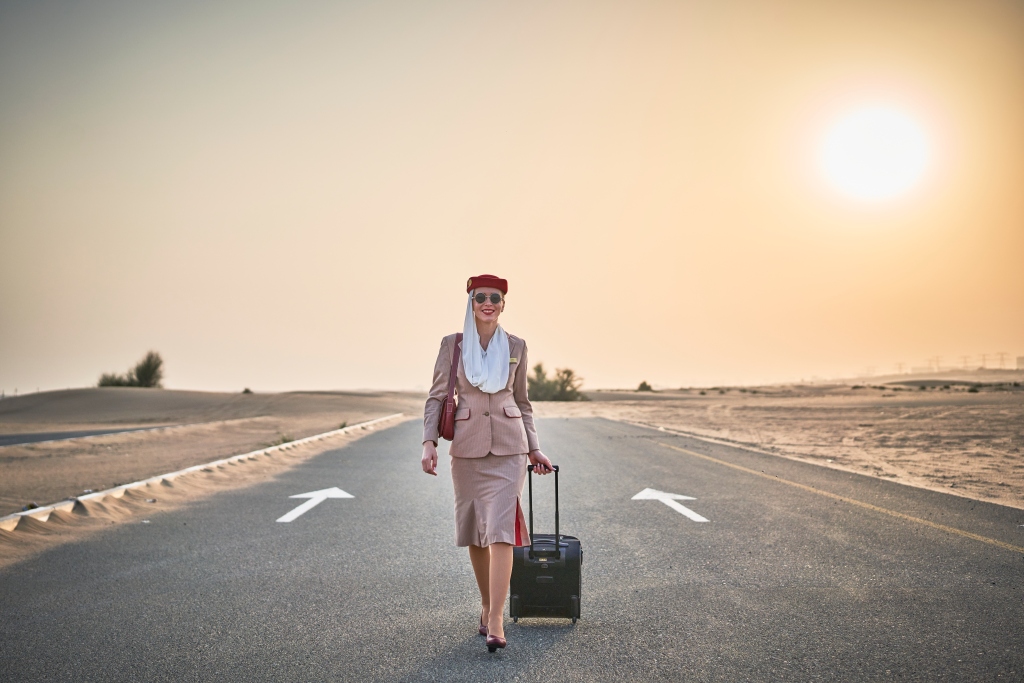
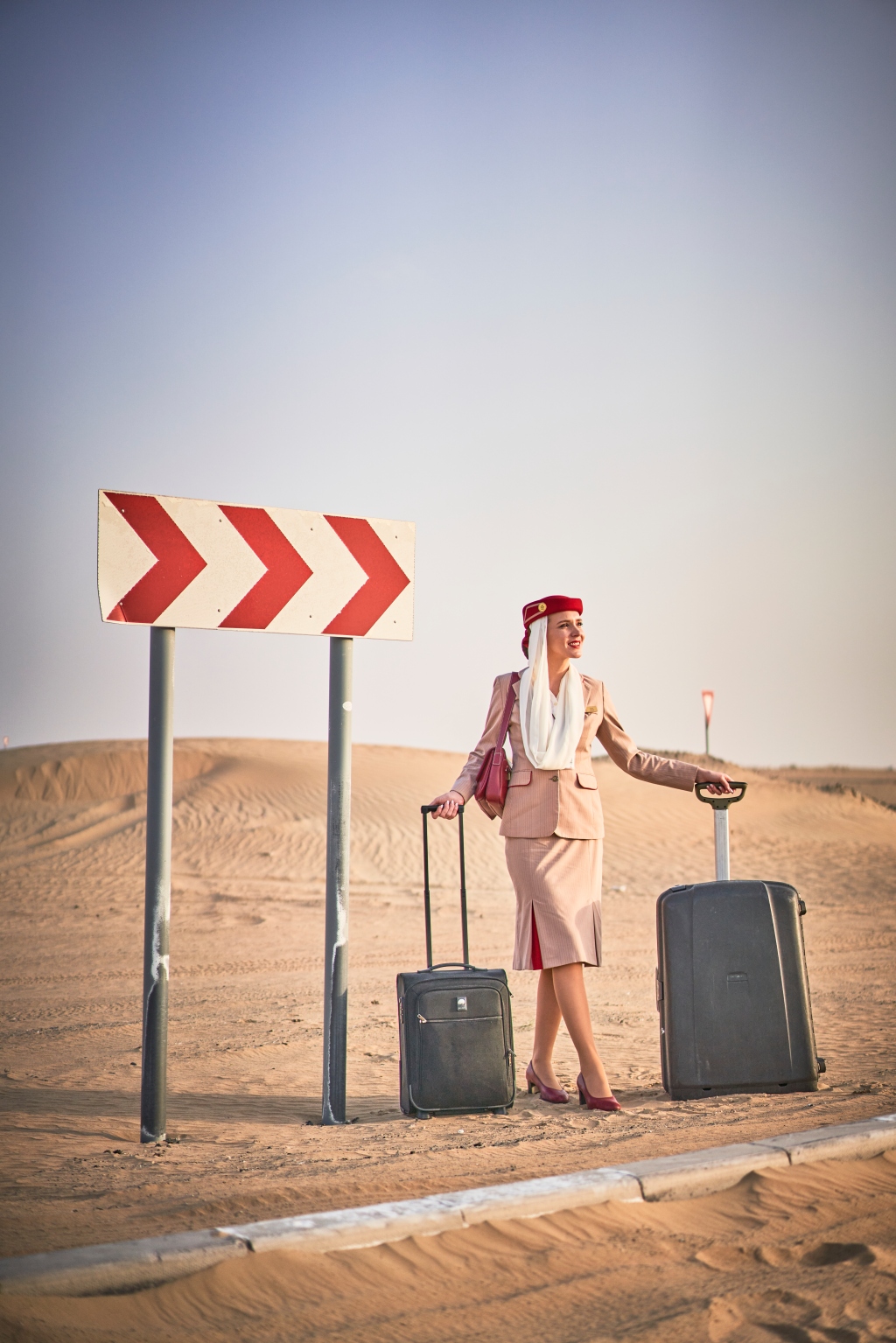
In February 2020, my friend Angela and I, unexpectedly met while working at Emirates as flight attendants, in Colombo. Turns out, we were both assigned to the same destination on different days, and our layovers matched up quite perfectly.
We were happily surprised, and we wanted to enjoy this new location together to the fullest. Eager to delve into the unknown, we opted for a city tour to immerse ourselves in local traditions. But before I delve into it, let me share some intriguing aspects about this beautiful country.
The first curiosity I had about this country was the origin of its name, which seems to have a quite pleasant phonetics. First of all, Sri Jayawardenepura Kotte is the administrative capital of Sri Lanka, while Colombo is considered the commercial and economic center of the nation. I found out also that in antiquity, Sri Lanka was known to travellers by a variety of names. The island was first referred as ‘Tambapanni’, then Lanka (‘Island’) in Hindu mythology, ancient Greek geographers called it ‘Taprobanē’, the Persians and Arabs referred to it as Sarandīb (the origin of the word “serendipity”), portuguese named it ‘Ceilao’ and it was transliterated into English as Ceylon (now you know the origin of the famous name for tea). The island was known also as Ceylon as a British colony and it achieved independence in 1948 as Ceylon. After 24 years it became a republic and was renamed the Republic of Sri Lanka.
And if you are wondering what language Sri Lankans speak, approximately 74.9% of the national population speak Sinhala language which is the mostly spoken, the Veddah people speaks the Veddah language of which the origin is debated and the Tamil language is spoken by Sri Lankan Tamils. Sri Lanka is home to many cultures, languages, and ethnicities. The majority of the population are from the Sinhalese ethnicity but there is also a large minority of Tamils.
The climate here is tropical and warm, due to the moderating effects of ocean winds. Mean temperatures range from 17 °C in the central highlands, where frost may occur for several days in the winter, to a maximum of 33 °C in other low-altitude areas.
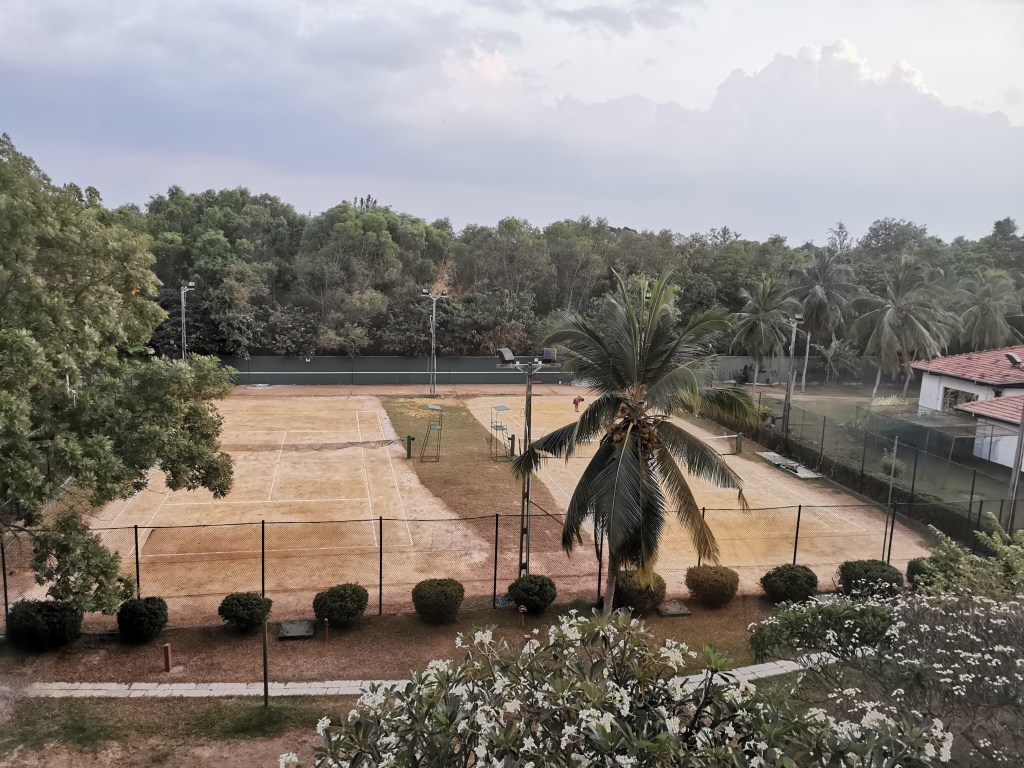
During my visit in February, the weather was sunny, with temperatures oscillating between 26-28 °C. While one might argue for an even more idyllic climate, the absence of an overwhelming heatwave pleasantly surprised me. As the sun descended, nightfall brought about a subtle shift in temperatures, varying between 14 °C to 18 °C—a range that proved to be ideal for a comfortable repose.
When I first arrived, I noticed the air felt a bit humid, especially in the southwest and mountains. This humidity is connected to how much it rains during different times of the year. These geographical variations create the unique weather patterns in Sri Lanka, blending tropical warmth with a variety of climates.
Interesting is also that Sri Lanka is one of 25 biodiversity hotspots in the world. Although the country is relatively small in size, I was impressed to know that has the highest biodiversity density in Asia.
Coming back to our story, we booked the tour at the hotel, all the package including the transportation was around 6000 Sri Lankan rupees (LKR) /person, this would be approximately 30 USD/person.
We left the hotel in the morning, at 10am we had a brief discussion about how the day will go with our tour guide. The car transport was ideal because the traffic was very crowded and we would not have been able to reach all the locations in time. It took approximately 1h 50 minutes to get there, so we had time to take a nap but also to admire the rich nature, the green forests on the way and to observe the locals and their daily activities in the middle of the crowded streets.






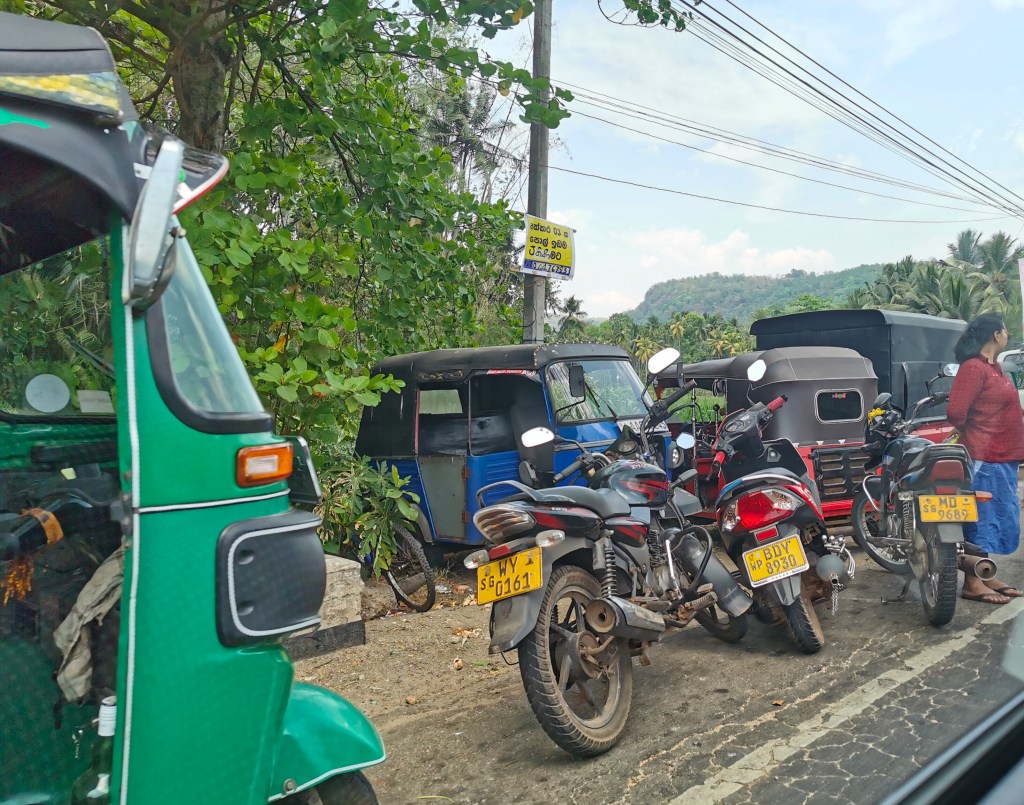
The traffic in Colombo is not just a means of transport, but a symphony of life in motion. Motorbikes dart in and out of lanes with the grace of ballet performers, while brightly colored buses proceed steadfastly on their route. The city’s signature three-wheeler taxis, tuk-tuks, weave their way through the chaos, their drivers skillfully navigating the city maze. The city pulses with the sounds of horns, the chatter of vendors, and the rhythmic exchange of Sinhalese and Tamil conversations.
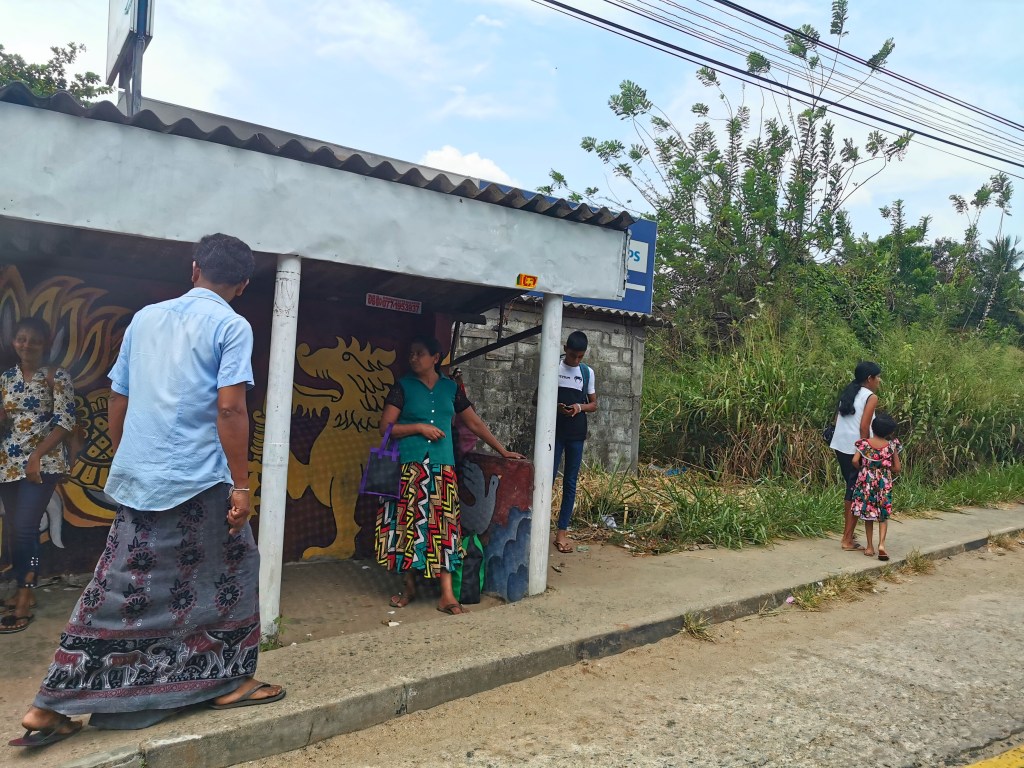
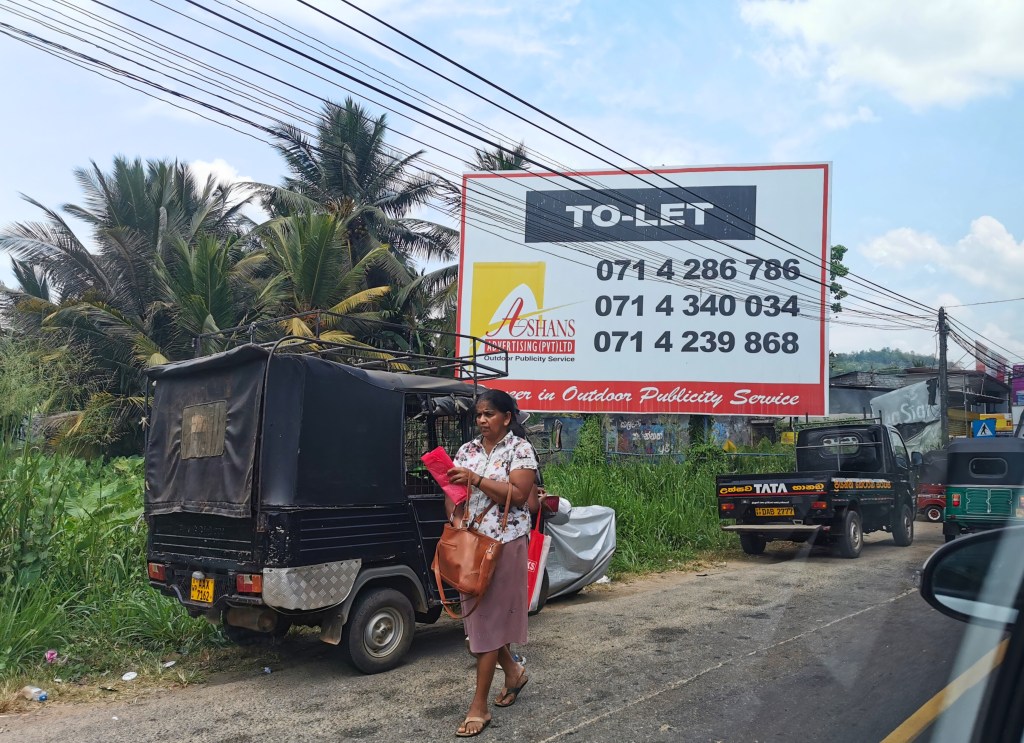
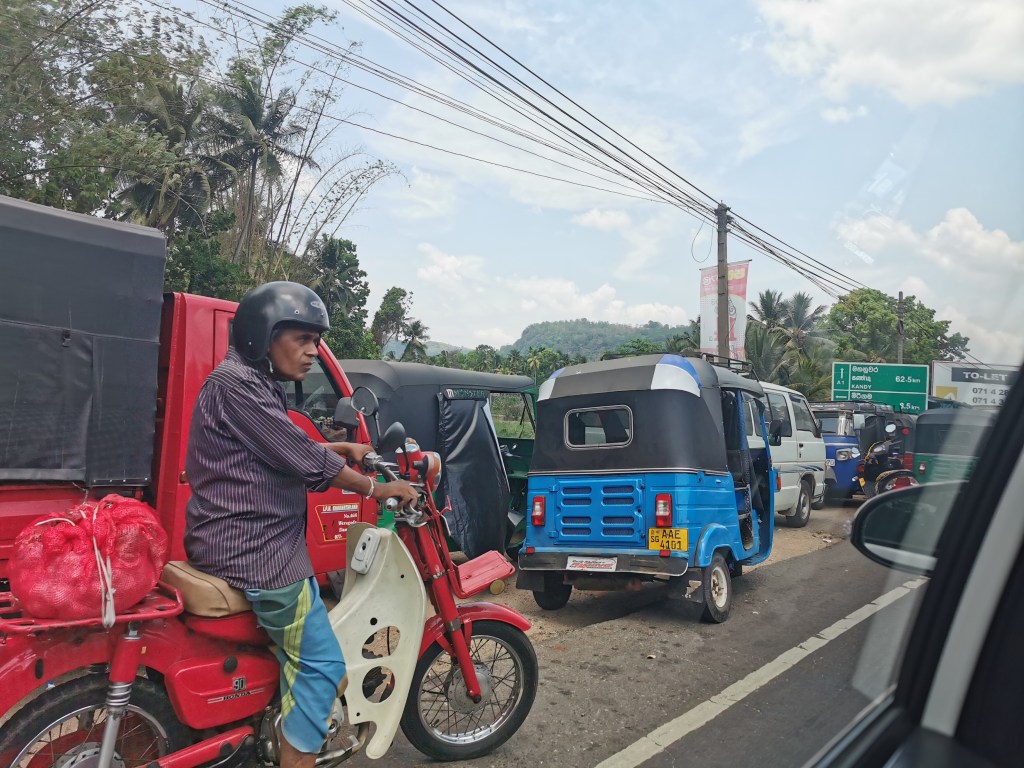
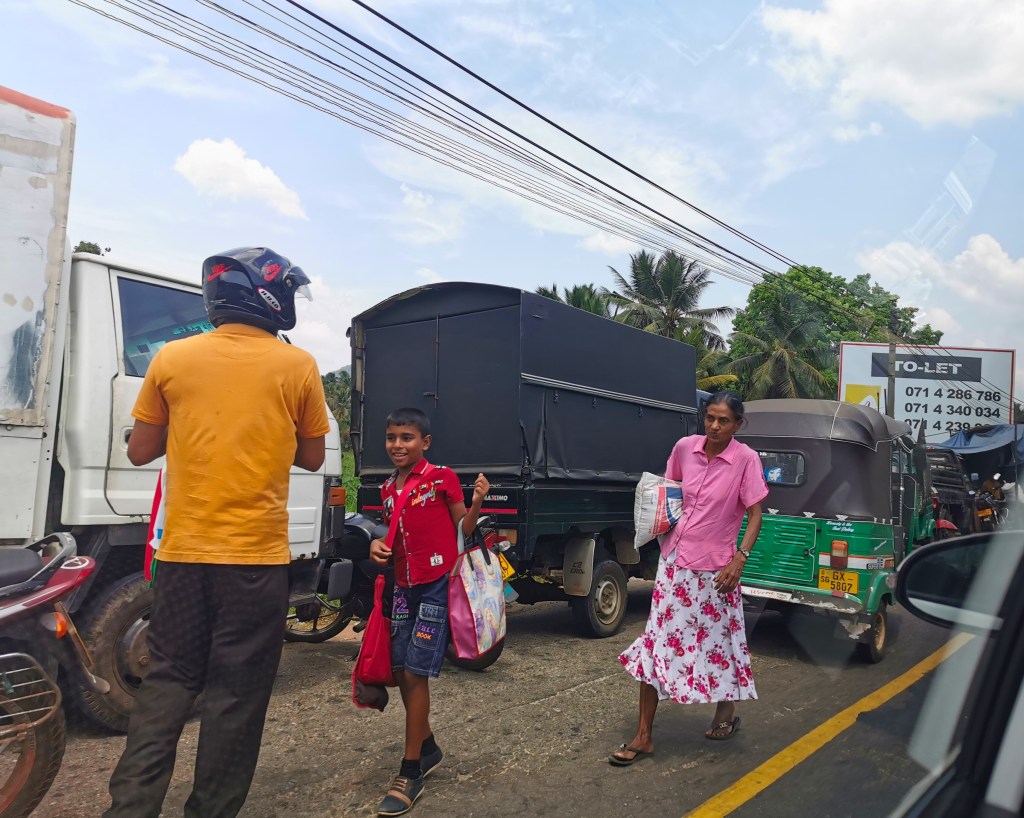
I was curious about the air quality of the city, so I checked the statistics. Colombo is likely to have the poorest air quality in Sri Lanka. However, overall, Sri Lanka maintains low levels of pollution, despite the noticeable traffic intensity on the streets of Colombo.
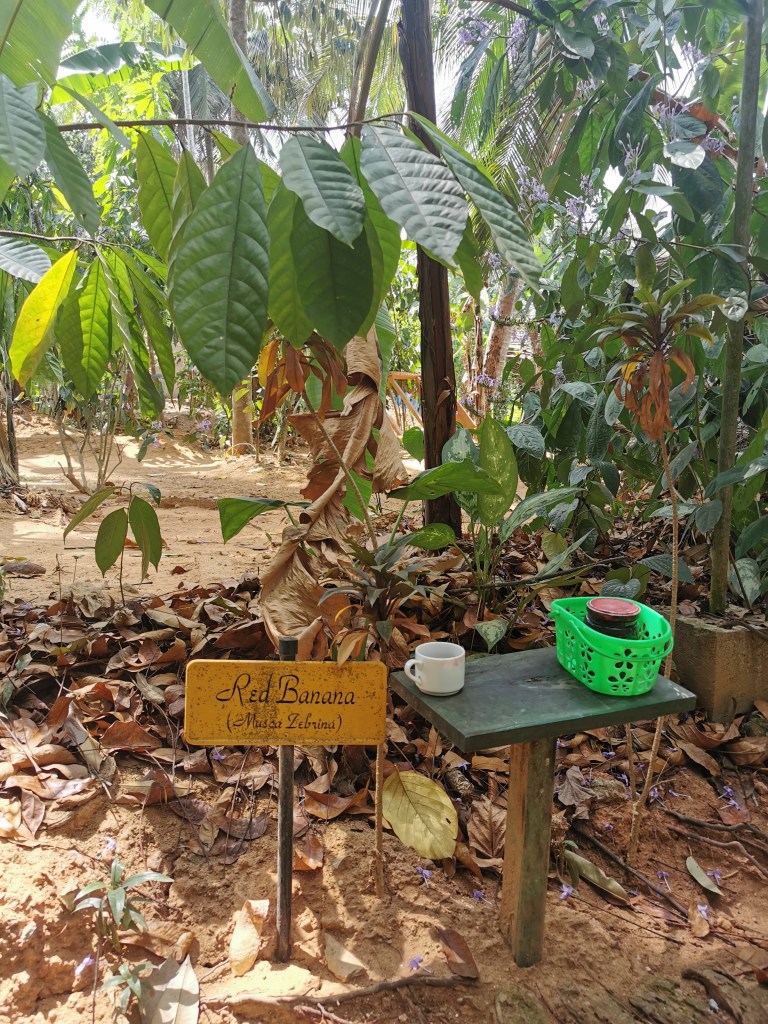
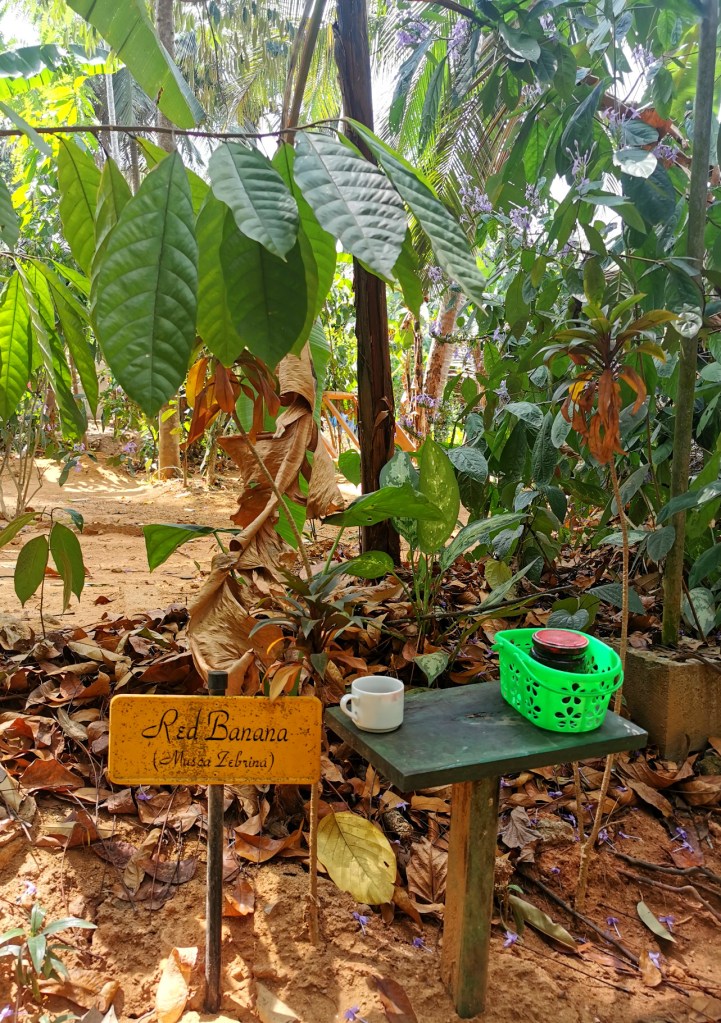
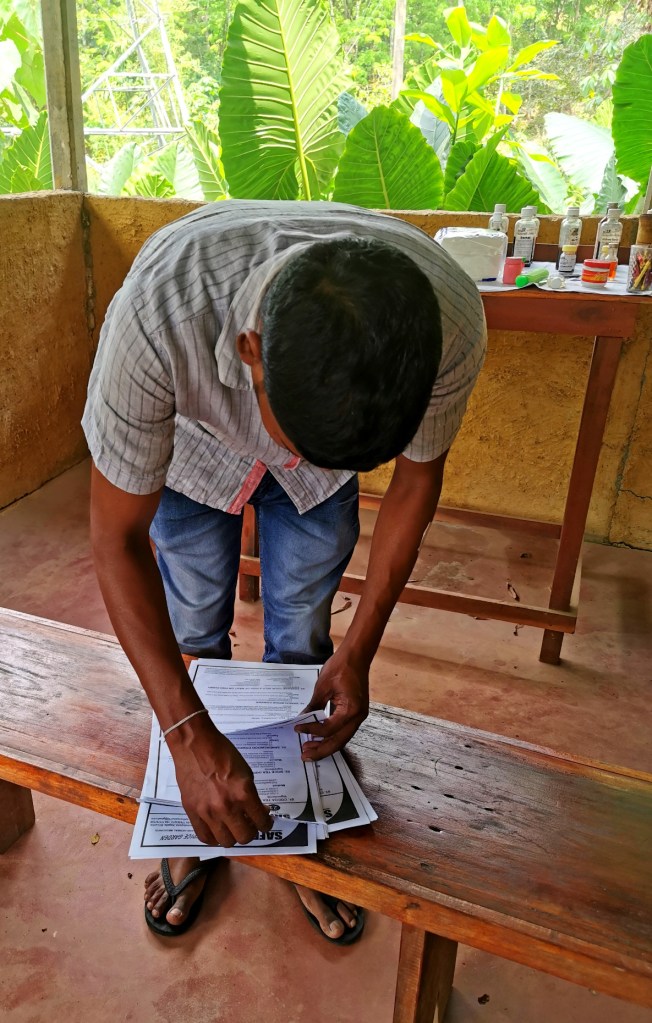
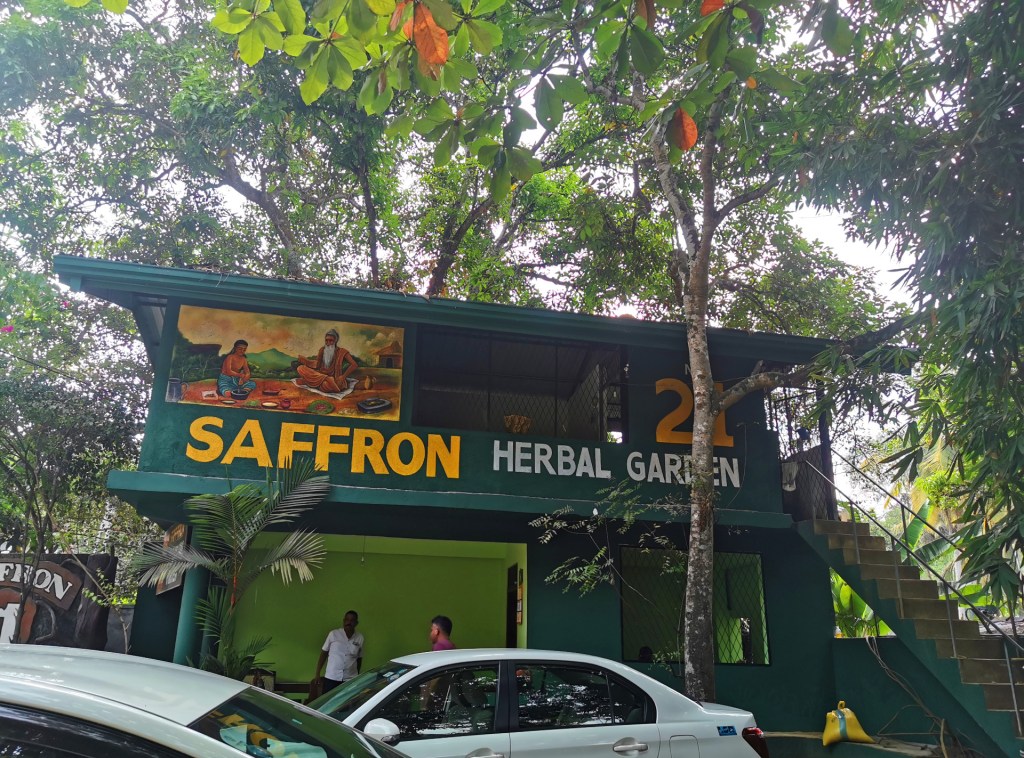
Our first stop was Saffron 21 Spice Grove, The Herbal Garden, as we entered, another guide was in charge to brief us about the types of medicinal plants. The man explained us in details about the herbals and because they also had their own pharmacy inside the garden, he invited us to test some medicinal products. After we bought the teeth whitening powder, hair removal cream, shampoo and hair conditioner, which are very famous in Sri Lanka for their beneficial results, we were also invited in a specially arranged place where he had all the products displayed and we had a relaxing massage for the back pain which was great.
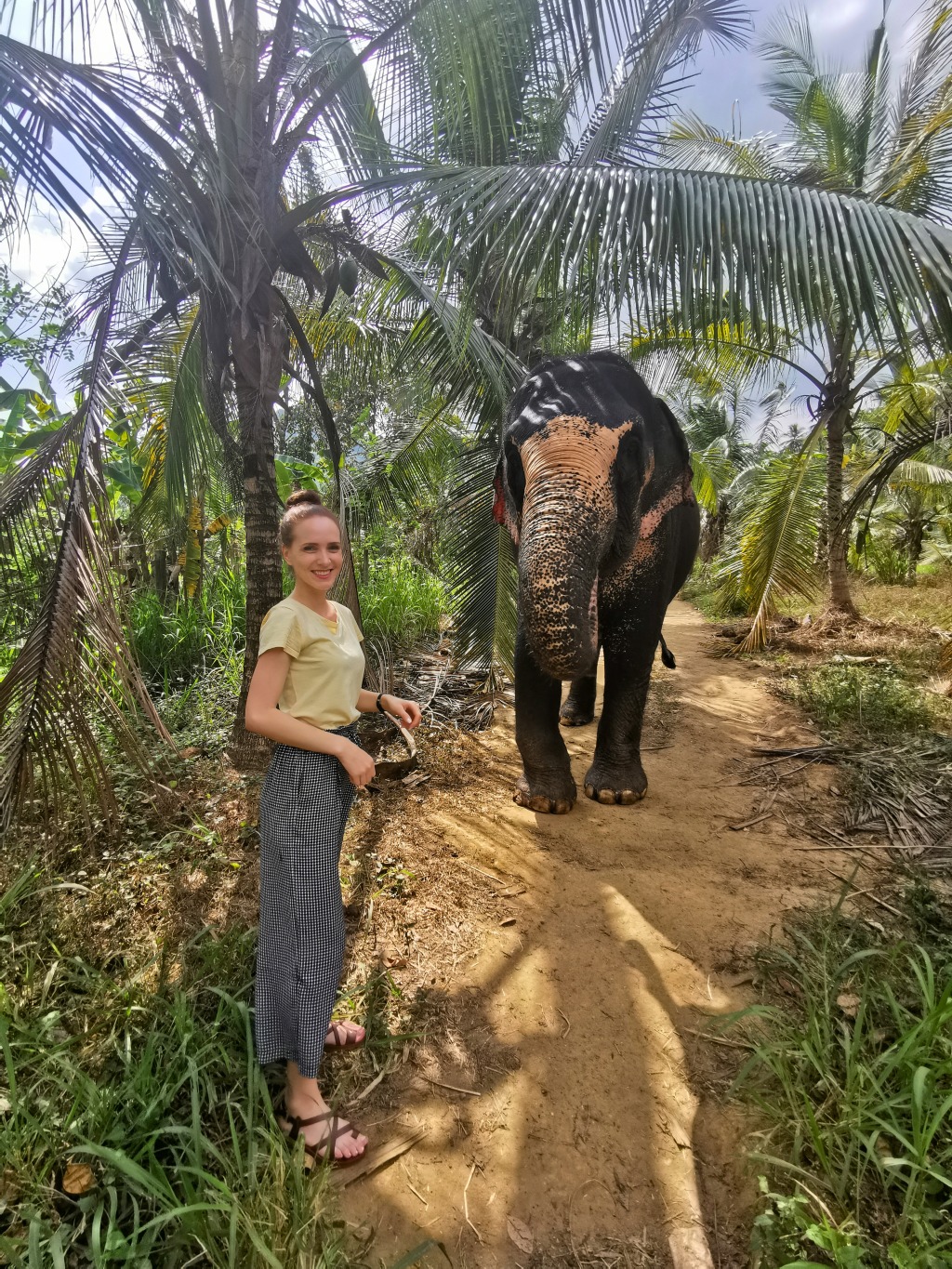
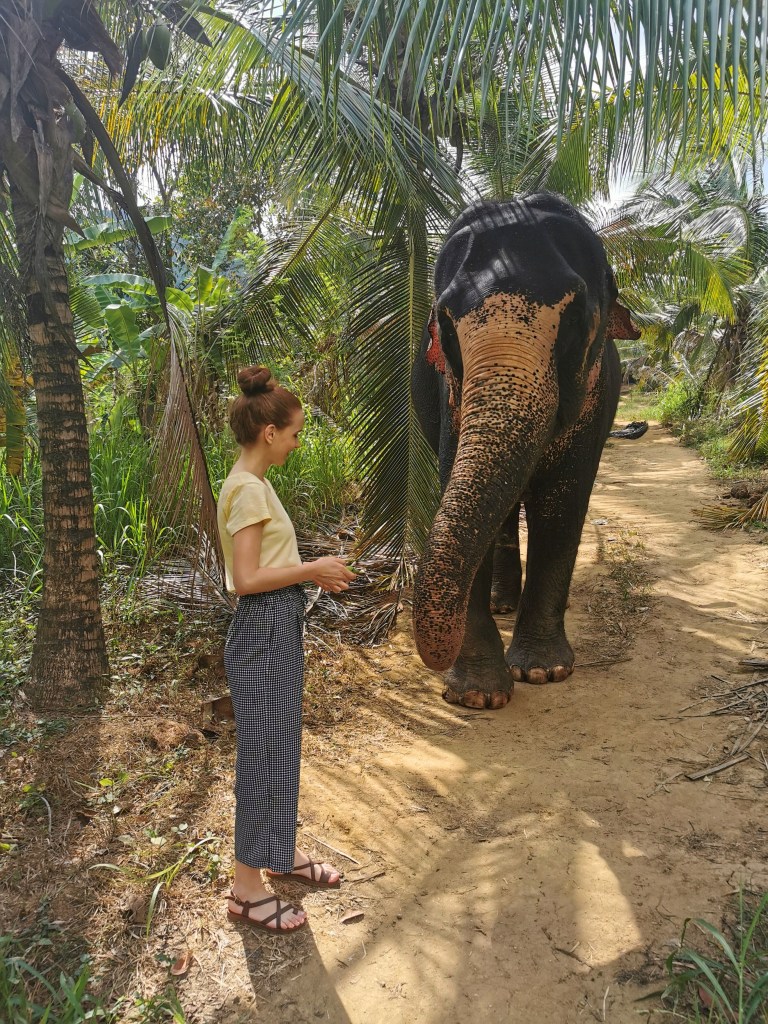
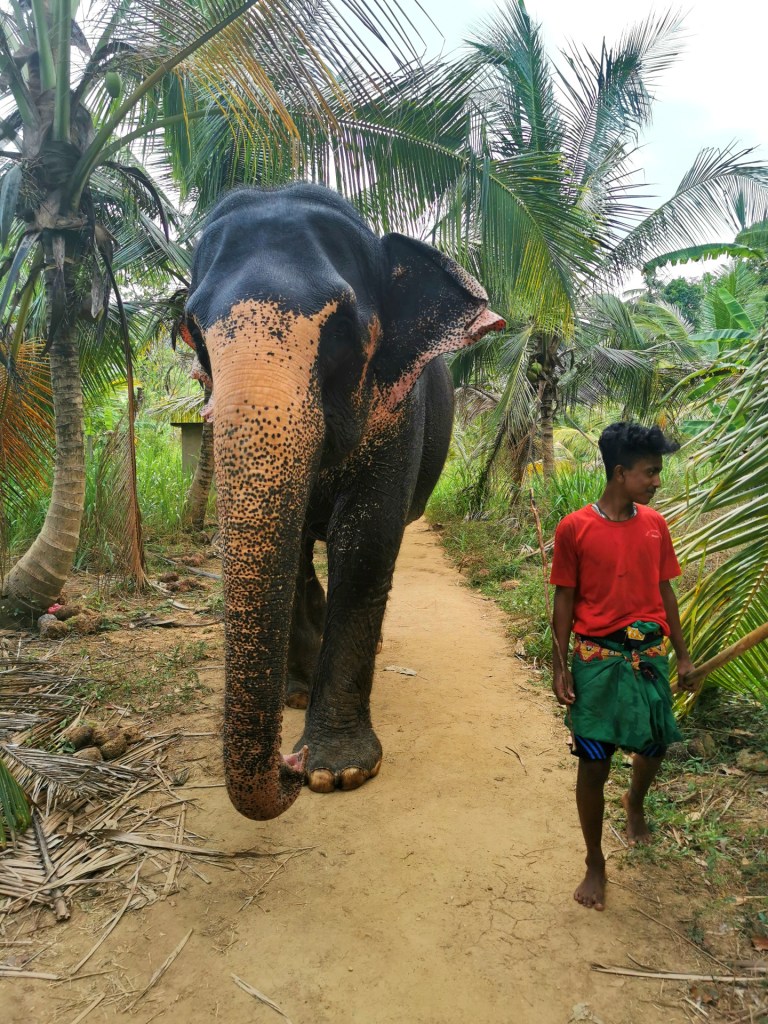
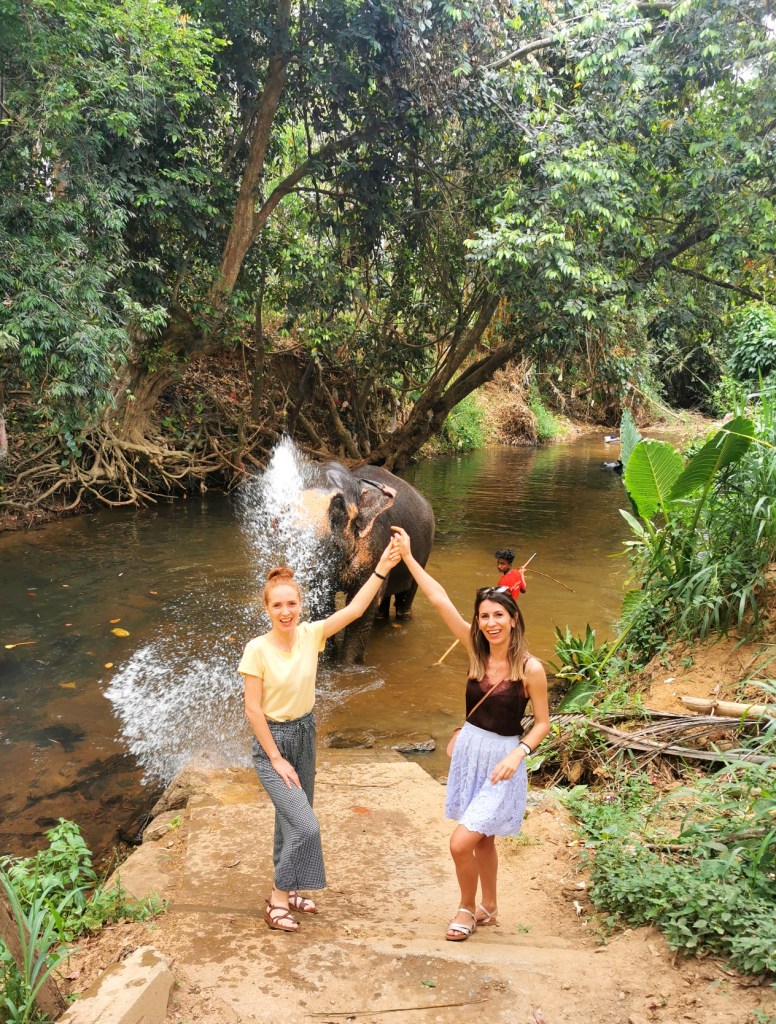
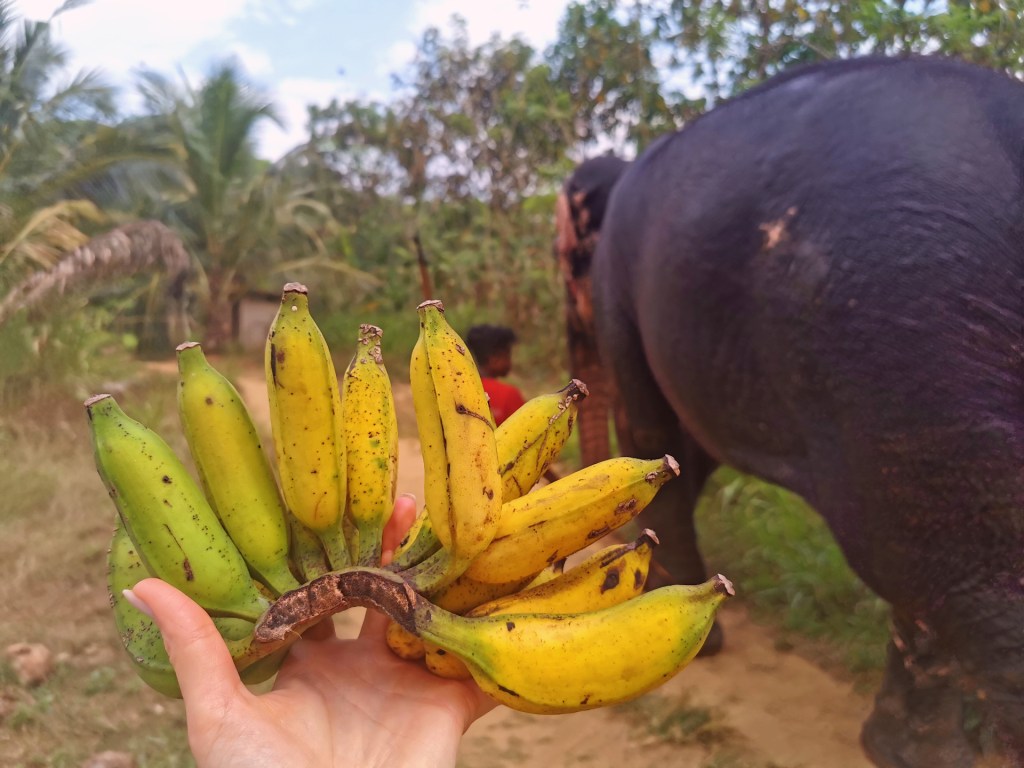
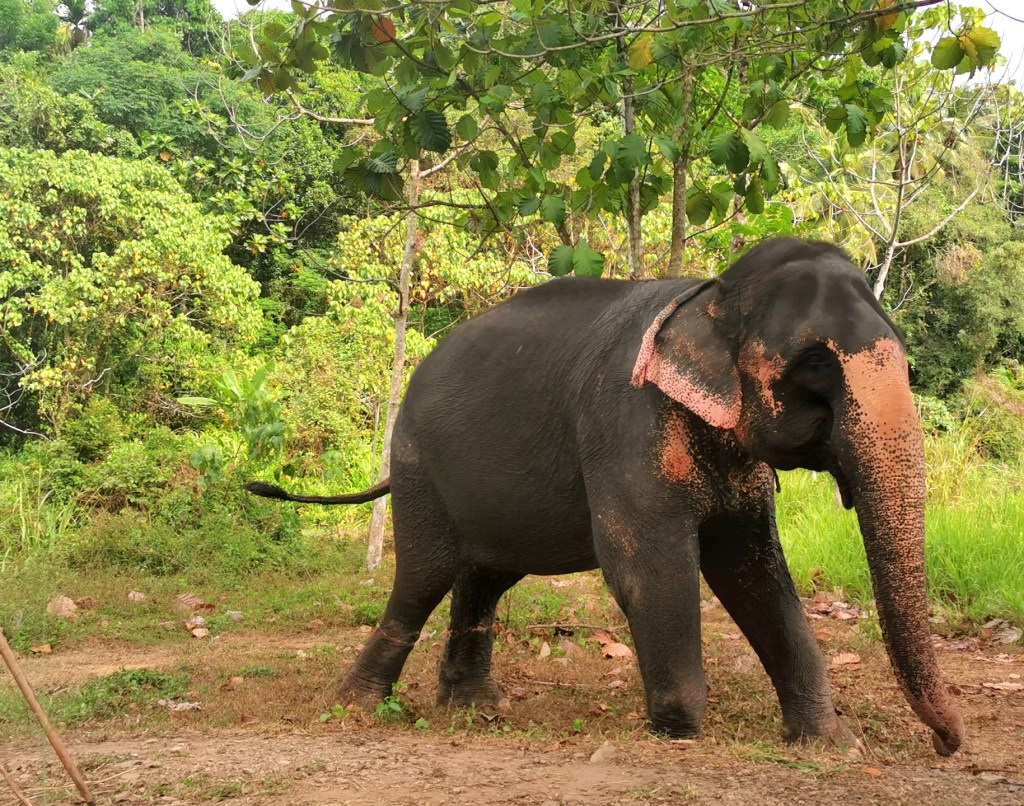
The second meeting we had it was with the cutest elephant I’ve ever seen, named by the locals, Kuromi. As a recommendation, I advise you to visit and do the Safari adventure in the Kaudulla National Park to see the elephants gathering, but beware, this gathering takes place once a year. It’s just breathtaking to see the elephants in their natural habitat, in the nature, far away from the city and humanity. Everywhere you go in Sri Lanka you will see elephants ancient ruins with elephants carvings telling a story about how important these animals have been to these people. For locals they represent God’s and symbols of fortune health and knowledge. The Sri Lankan elephants are incredibly intelligent animals and because before coming here I heard about the struggles that these animals are having in their day-to-day basis, I was actually skeptical about this experience. Our brief encounter with Kuromi, the elephant, revealed that she was being directed by locals, encouraging her to perform entertaining dance moves and engage with us. That’s the difference between the elephants living free in the jungle and those living in captivity, like Kuromi.
After feeding her with bananas and giving her a hug, we said goodbye. A tinge of sadness lingered as I observed the sorrow in her eyes. While tourists may participate in such tours, it’s important to recognize that the treatment of elephants in captivity is ethically questionable and unfortunately happens worldwide. Raising awareness and refraining from supporting such interactions is essential. My strongest recommendation is to visit Kaudulla National Park or any other National Park, where you can witness herds of elephants enjoying a river bath, their trunks joyfully splashing water, a truly inspiring spectacle. The true magnificence lies in the wild, with Sri Lanka serving as a habitat for the majestic Asian elephant. These noble creatures deserve to roam freely in their natural habitat.
The last stop was at the famous Tea Factory. Given Sri Lanka’s reputation as one of the world’s leading tea exporters, our curiosity led us to delve deeper into understanding the tea plants and experience the authentic taste of tea.
Once we arrived, a lady was waiting for us with a local flavored tea as a welcome drink. And because this kind of tour would generally start out in the plantation itself to learn about how tea is cultivated, we were told that the time is limited and we will not have time to see the plantations because were located somewhere else, so the visit was resumed to a walkaround through the fabric, a pleasant and interesting discussion about the types of manufactured teas and we were shown the machines but also everything was explained in details about how the leaves go through the whole process of refinement to reach the ground form.
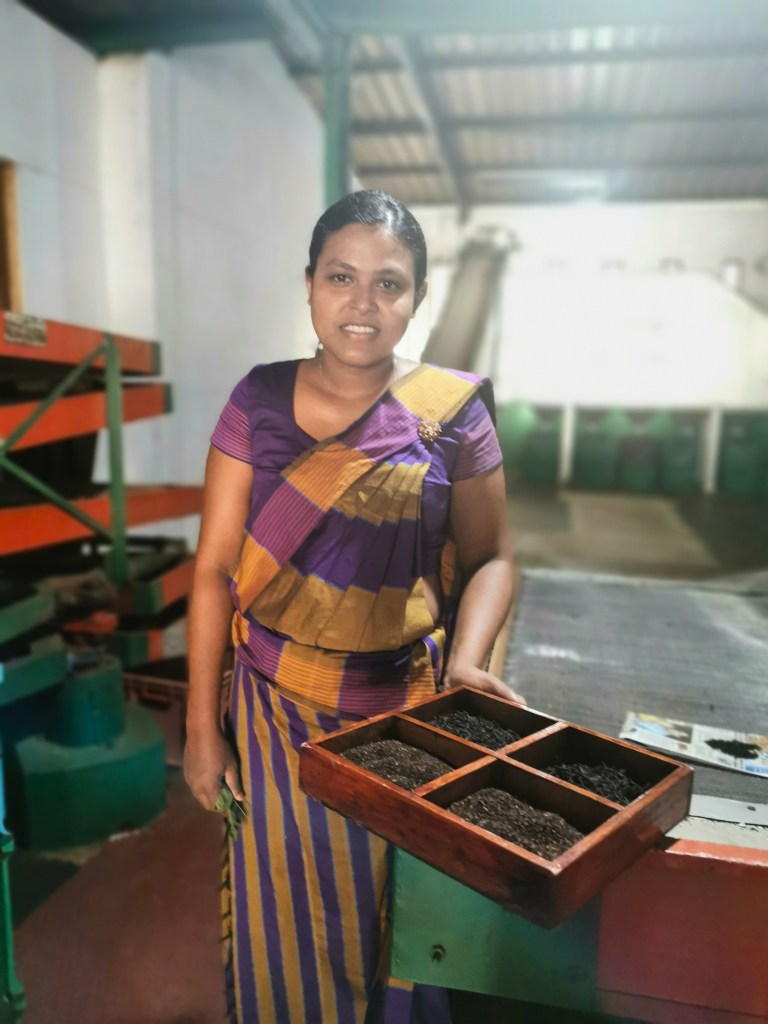
When the moment arrived, the lady guided us to observe machines dating back to the pre-industrial revolution era, designed for withering, rolling, and drying tea. It was astonishing to witness how these age-old machines still operated seamlessly. To emphasize their current functionality, she switched them on before our eyes.
We found out that the production of tea involves a tedious procedure of plucking, withering, rolling, oxidizing and drying , it’s a process that requires heavy machines and plenty of manpower, and we’ve seen them all just in one room.
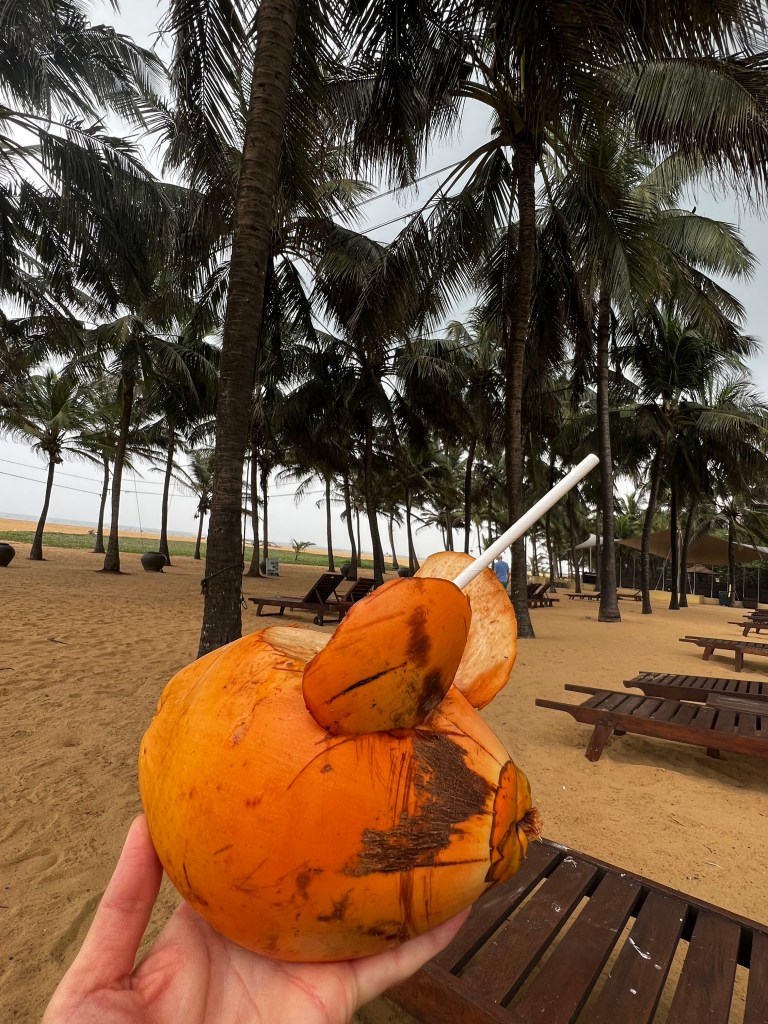
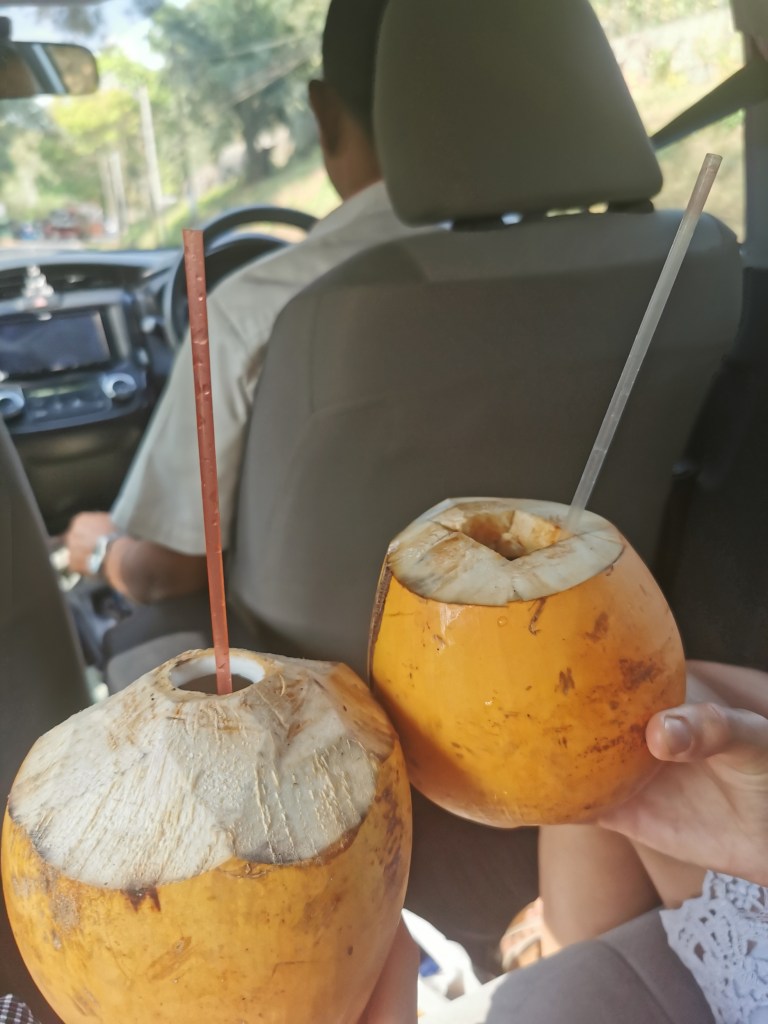
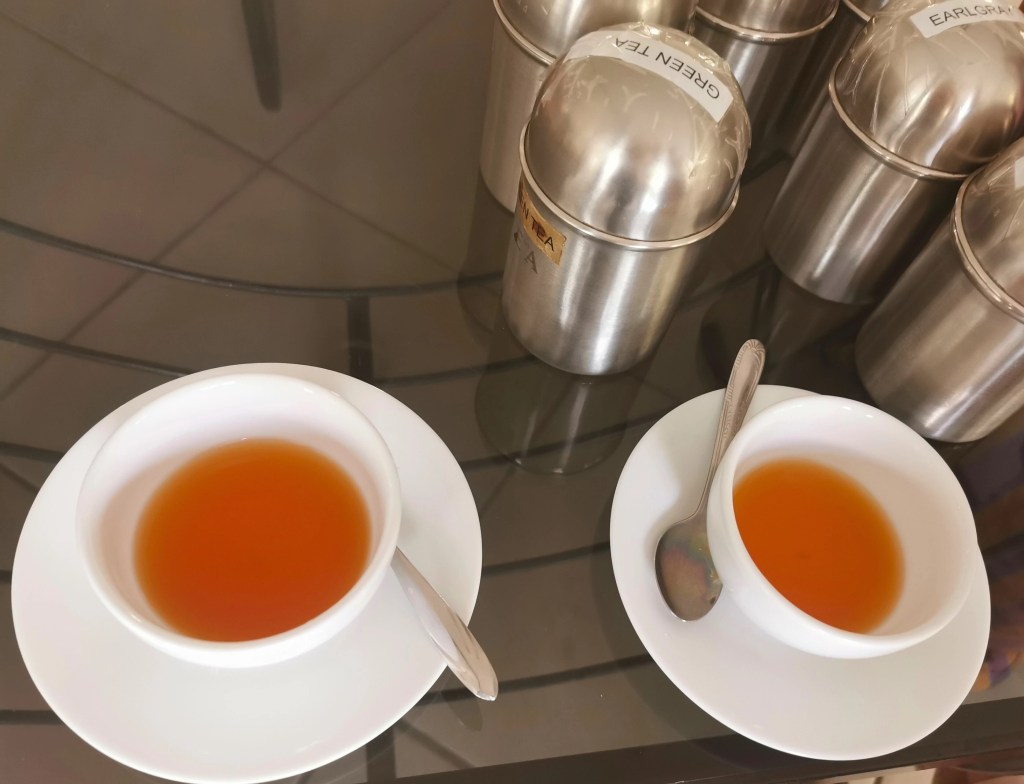
There is normally a little time at the end of the tour for a tea tasting, either of one specific type of tea or occasionally of the various specialties of that particular factory. We tasted few of them, and we also bought some for home and after we finished, in our way back to the hotel, the driver made a stop for us to enjoy a coconut drink and buy some souvenirs.
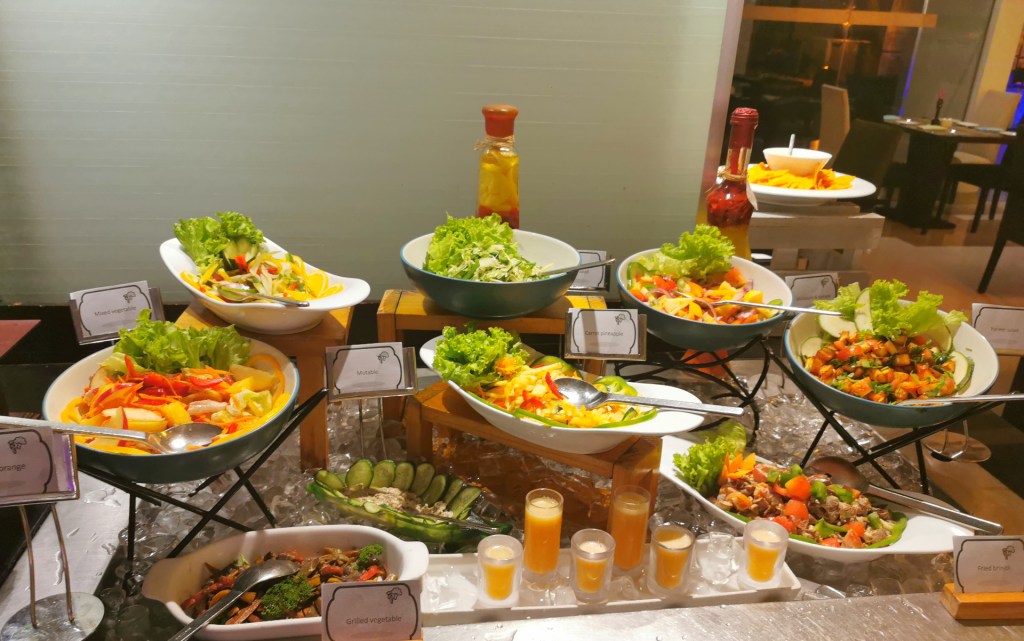
I was eager to explore the local cuisine and discover what Sri Lankans typically enjoy eating. Upon our arrival at the hotel, we decided to have dinner, and it turned out to be a delightful evening with excellent music and delectable food. The staple of Sri Lankan cuisine is rice, often accompanied by curry. In virtually every household, rice and curry constitute the main meal, with variations featuring meat, fish, and vegetables as curry dishes. We had a rich variety of tasty dishes, each looking and tasting fantastic—an especially enjoyable experience for a vegetarian like me. The chefs’ creativity also stood out, impressing us with their delightful desserts.
In conclusion, if you’re considering a future trip to Sri Lanka, opting for a tour is a viable choice if your visit is limited to one or two days. However, for a more immersive experience, exploring the island’s untamed nature is highly recommended, the island has so much to offer. The richness it holds is sure to exceed your expectations.
Happy travels,
S

 The GINGER: Diary
Leave a comment